On the map with Stéphanie Paquette
Stéphanie Paquette, a social studies teacher at Collège Reine-Marie in Montréal, has created GIS resources and activities to inject some energy into the curriculum.
Stéphanie Paquette teaches social studies at Collège Reine-Marie in Montréal. In recent years, she’s taught 8th grade, but for the 2025–2026 school year, she’ll be teaching 7th grade.
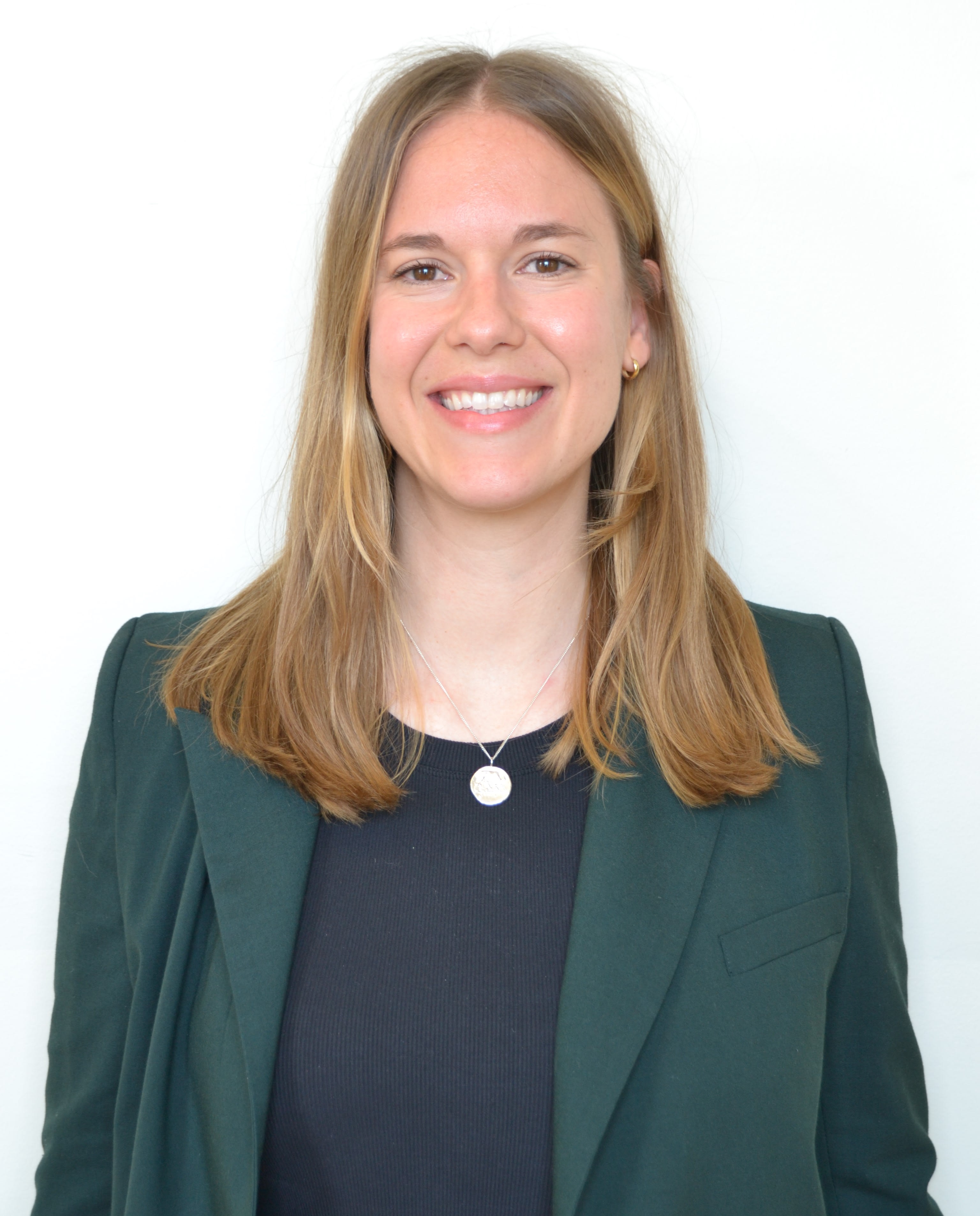
Stéphanie Paquette, a social studies teacher at Collège Reine-Marie in Montréal
Stéphanie learned about geographic information systems (GIS) during a GIS training session at the Association québécoise pour l’enseignement en univers social (AQEUS) conference in Sherbrooke in the fall of 2023. She then experimented on her own!
What inspired you to use GIS with students?
I was looking for a more dynamic and hands-on way to introduce map reading in geography, particularly in relation to competency 1: understands the organization of a territory. This skill helps students master mapping language and use it to interpret geographical phenomena. I was also inspired by an activity presented during a training session, which involved mapping the origins of clothing—an idea I adapted to meet the curriculum objectives. That’s how the project on the textile industry in 8th-grade geography came about.
I also used GIS in another context: creating an interactive resource on the agricultural landscape of the Sahel. Students were asked to study the resource to identify the landscape’s characteristics and explain challenges related to water management, thereby reinforcing their learning through a visual and interactive analysis of the landscape.

The Sahel: a region plagued by drought
Tell us about the textile industry project you did with your students
The students were initially encouraged to learn about the apparel industry from various resources, including reading materials, news reports and surveys. They were then tasked with collecting data by gathering information about their own clothing. This data was subsequently mapped and displayed using GIS tools, then cross-referenced with other indicators such as the population density or development level of the countries in question.

Textile Industry Project: Clothing of students from Collège Reine-Marie
The students were then asked to analyze the results in order to reflect on the impact of their own consumption. Finally, they were asked to take a stance on the offshoring of the textile industry and its environmental, economic and social repercussions. The activity concluded with a roundtable assessment, during which the students discussed and compared their viewpoints.
Which parts of the curriculum were covered by this project?
This project enabled students to analyze a regional issue related to industrial areas in geography. Throughout the various stages of the project, several key concepts from the curriculum were discussed, including offshoring, low-wage countries, multinational corporations, concentration and development.
Another objective of the activity was to assess competency 3: construct his/her consciousness of global citizenship by encouraging students to critically reflect on the economic, social and environmental issues associated with the textile industry and their own consumption.
What teaching methods did you use?
I used a project-based approach and inquiry-based learning, focusing on active research, analysis of actual data and group discussion to develop students’ critical thinking skills and community awareness.
What GIS tools did the students use for this project?
The students were required to complete a survey (ArcGIS Survey123) and review a story (ArcGIS StoryMaps) created by the teacher based on their responses.
What were the students' first impressions, reactions and comments during the project?
The students showed a high level of engagement throughout the project. A number of them told me that this activity had raised their awareness of the social and environmental issues related to the garment industry and had led them to reflect on their own consumption habits. Their exchanges during the roundtable discussion demonstrated a genuine sense of awareness. They also showed me that most of them had fully understood the concepts related to the industrial area.
What other projects would you like the students to work on in the future?
I would like to implement a project on transportation in Montréal with my Grade 7 students. The goal would be to map their daily commutes between home and school while identifying the different types of transportation they use (walking, biking, bus, subway or car).
This project would help students develop competency 1: understands the organization of a territory by having them analyze maps created by the students themselves. It would also provide a practical way to address transportation issues in metropolitan areas, including sustainable mobility, urban congestion and the environmental impact of daily commuting.
What are your hopes for the use of GIS at your school?
- I would like to create the above-mentioned project.
- I would like students in Grade 11 to be able to design their own maps and stories using GIS in relation to the content of the Contemporary World course, which would enable them to deepen their understanding of major global issues with the help of mapping tools.
- I see the potential for interdisciplinary collaboration, particularly with math class, where the use of GIS could enable students to create and analyze various types of graphics and statistical data.
- There may also be connections with French class: for example, during my roundtable sessions on the textile industry, students’ oral language skills could have been evaluated.
Our thanks to Stéphanie for sharing her story and for the inspiration her project brings us!
Your toolbox
We’re always available to answer your questions and to guide and support you with your projects. Write to us at k12@esri.ca.
If you’d like to get started on your GIS adventure, visit our website to obtain free access for yourself and your students: k12.esri.ca.
For more activity ideas and a wide range of resources, visit our K12 Resource Finder.
This post was written in French by Arabelle Sauvé and can be viewed here.